Floral Motif: A Font for Botanical Branding
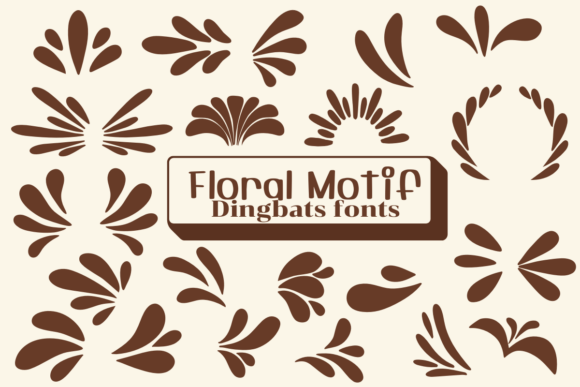
There's a particular challenge in design when you need to communicate elegance, nature, and a handcrafted feel without saying a word. You might find yourself scrolling through endless icon libraries or struggling to draw a simple, graceful petal that doesn't look amateurish. This is where a specialized tool like Floral Motif enters the scene, not as a traditional font for sentences, but as a creative asset filled with abstract floral shapes. Each character you type becomes a unique botanical flourish, offering a solution for projects that demand a natural, artistic touch with the simplicity of typing a letter.
Understanding the Appeal of a Dingbat Typeface
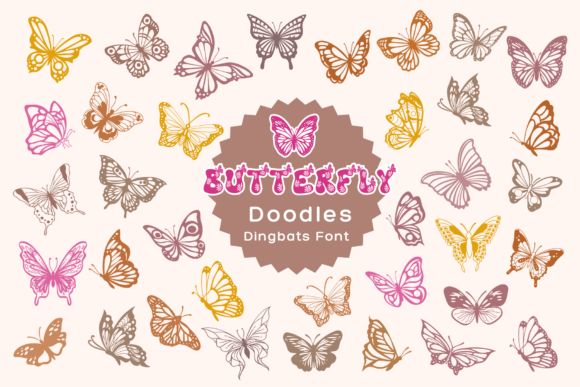
Floral Motif is what typographers call a dingbat font, but thinking of it merely as a collection of symbols undersells its potential. Imagine a premium font where every glyph is a carefully designed ornamental element—delicate petals, intricate vines, and elegant swirls. The visual appeal lies in its abstraction; these aren't literal photographs of flowers but stylized interpretations that feel both modern and timeless. This makes it incredibly versatile. The shapes can suggest growth, beauty, and sophistication, which are powerful emotional triggers in visual communication. For a small business owner creating packaging or a designer working on a wedding suite, having instant access to a library of cohesive botanical accents streamlines the creative process significantly.
Practical Applications Across Creative Projects
The real value of a creative font like this is measured by how many problems it can solve. Its applications are surprisingly wide-ranging, bridging the gap between digital and print, personal and commercial.
- Branding and Logo Design: A single glyph from Floral Motif can become the cornerstone of a brand's visual identity. Used as a standalone icon, a decorative border, or integrated into a logomark, it helps businesses in the wellness, beauty, artisanal food, or boutique hospitality sectors establish a recognizable aesthetic. This consistency is key to brand recognition.
- Packaging Design: For products lining shelves, packaging must tell a story at a glance. These floral accents can frame product names, decorate labels, or create patterns on boxes and bags, instantly conveying a product's artisanal or natural qualities. It elevates a simple label to something that feels considered and professional.
- Print and Editorial Layouts: In magazines, lookbooks, or brochures, these motifs serve as elegant dividers, pull-quote decorations, or section headers. They add visual interest without the complexity of full illustrations, improving the overall readability and flow of a page by breaking up dense text and guiding the reader's eye.
- Invitations and Stationery: This is perhaps the most intuitive use. Wedding invitations, thank you cards, and event programs gain an immediate botanical flair. The motifs can be used as corner accents, repeating borders, or watermarked backgrounds to create a cohesive and beautiful suite of stationery.
- Digital and Social Media: For content creators and marketers, these shapes are gold for social media graphics, website banners, blog post headers, and digital product mockups. They add a layer of polish to Instagram stories, Pinterest pins, and email newsletters, helping to create a visually engaging feed that stands out. A consistent use of these elements across platforms strengthens a brand's digital presence.
- Merchandise and Surface Pattern: The abstract nature of the motifs makes them perfect for creating repeating patterns for textiles, wallpaper, or merchandise like tote bags and mugs. This opens up revenue streams for entrepreneurs looking to develop branded product lines.
Integrating Motifs into Your Design Workflow
Simply having a beautiful display font isn't enough; knowing how to use it effectively is what separates good design from great. The first consideration is intentionality. Are you using a floral motif to decorate, or to communicate a specific brand value like sustainability or luxury? Let that goal guide your choices.
Font pairing is critical. Since Floral Motif is a decorative, non-text font, it should be paired with highly legible typefaces for body copy. A clean sans serif font or a classic serif font often works best, providing a stable foundation that lets the floral elements shine without competing. For example, a delicate floral divider used between a bold sans serif heading and a serif body text can create a beautiful hierarchy and improve the overall professional presentation of the layout.
Don't treat the glyphs as immutable. In most design software, you can adjust the color, scale, opacity, and even combine multiple characters to create new compositions. A single petal shape, when rotated and repeated, can form a stunning circular emblem. This flexibility allows you to maintain visual consistency across a campaign while creating unique assets for each application, from a large poster to a small favicon.
Choosing and Using Your Creative Assets Wisely
When you're ready to incorporate a font like Floral Motif into your toolkit, a few practical steps will ensure success. First, review all the included glyphs. Spend time exploring the character map to understand the full range of shapes available—there might be perfect standalone icons you hadn't considered. Test these elements at different sizes to see how they hold up; some intricate details might get lost in very small applications like on a business card.
Always verify the licensing for commercial font use. A reputable premium font will have clear terms, allowing you to use the designs in client projects, merchandise for sale, and digital products without legal ambiguity. This is a non-negotiable part of professional design work. Finally, test your designs in context. Place a logo using a floral accent on a mockup of a business card, a website header, and a social media profile to see how it performs across different mediums. This real-world testing ensures your brand identity remains strong and adaptable.
Ultimately, a resource like Floral Motif is more than just a set of pretty pictures. It's a design asset that can save time, ensure cohesion, and inject a specific, desirable aesthetic into a wide array of projects. By understanding its strengths and applying it thoughtfully, you can create visuals that resonate deeply with your audience, whether you're building a brand from the ground up or adding a fresh botanical touch to an existing one.